Learn what a personal loan is, how it works, how EMIs and interest are calculated, eligibility requirements, fees, benefits, risks, and tips for choosing the right loan.
T
The Reward Club Editorial
Senior Financial Analyst
Editorial Fact-CheckedVerified
A personal loan is one of the most common ways to borrow money for a wide range of personal expenses. Unlike a home loan or car loan, a personal loan generally does not require you to use the money for a specific type of purchase. Depending on the lender and your eligibility, you may be able to use it for expenses such as medical bills, education, home improvements, weddings, travel, debt consolidation, or unexpected financial needs.
But how exactly does a personal loan work? How much can you borrow? What interest rate will you pay? And what should you check before applying?
In this guide, we'll explain what a personal loan is, how personal loans work, their costs, eligibility requirements, advantages and disadvantages, and how to choose a loan responsibly.
What Is a Personal Loan?
A personal loan is a type of loan that allows an individual to borrow money from a bank, NBFC, or other financial institution and repay it over a predetermined period with interest.
Personal loans are usually unsecured loans, which means you generally don't have to pledge an asset such as a house, car, or gold as collateral.
For example, suppose you need ₹2,00,000 for a home renovation. You apply for a personal loan, and the lender approves ₹2,00,000 at a particular interest rate for a fixed repayment period.
The lender transfers the approved amount to your bank account, and you repay the loan through Equated Monthly Instalments (EMIs).
Each EMI generally consists of two components:
Principal – the amount you borrowed
Interest – the cost charged by the lender for providing the loan
Learn what a credit score is, how it is calculated, why it matters, what counts as a good score in India, and practical ways to improve your credit profile.
As you continue making payments, the outstanding principal gradually decreases.
How Does a Personal Loan Work?
The personal loan process can generally be divided into several steps.
1. You Apply for the Loan
You start by applying to a lender. The application may require information such as:
Name and contact details
Employment information
Monthly income
Existing loan obligations
Bank account information
Identity and address documents
Many lenders allow applications to be completed online.
2. The Lender Evaluates Your Application
After receiving your application, the lender assesses your financial profile.
Depending on the lender, this evaluation may include:
Income
Employment stability
Credit history
Credit score
Existing debts
Repayment capacity
Age
Relationship with the lender
Your credit history is particularly important because it provides information about your previous borrowing and repayment behaviour.
3. Loan Approval
If the lender is satisfied with your eligibility and repayment capacity, it may approve the loan.
The lender may provide details such as:
Approved loan amount
Interest rate
Loan tenure
EMI
Processing fee
Other applicable charges
Repayment schedule
Make sure you understand these terms before accepting the loan.
4. Loan Disbursement
After the required documentation and formalities are completed, the approved loan amount is transferred to your bank account.
The time required for disbursement depends on the lender and the type of application.
5. You Repay Through EMIs
Once the loan is disbursed, you begin repaying it according to the agreed schedule.
For a typical fixed-rate personal loan, the EMI remains the same throughout the repayment period, although the proportion going toward principal and interest changes over time.
What Is an EMI?
EMIstands forEquated Monthly Instalment.
It is the amount you pay to the lender every month toward repaying your loan.
Your EMI depends primarily on:
Loan amount
Interest rate
Loan tenure
For example, if you borrow ₹5,00,000, the EMI will generally be higher if you choose a shorter repayment period.
A longer tenure can reduce the monthly EMI, but it can also increase the total interest paid over the life of the loan.
Simple Example
Imagine you borrow:
Loan amount: ₹5,00,000 Interest rate: 12% per year Tenure: 5 years
Your monthly EMI would be approximately ₹11,122.
Over the full five-year period, you would repay approximately ₹6.67 lakh, meaning the total interest would be around ₹1.67 lakh.
The actual EMI and total repayment can vary depending on the lender's calculation method, fees, interest rate, and loan terms.
What Is the Interest Rate on a Personal Loan?
The interest rate is the cost you pay for borrowing money.
Personal loan interest rates can vary considerably between lenders and borrowers.
A lender may determine your interest rate based on factors such as:
Credit score and credit history
Income
Employment profile
Existing financial obligations
Loan amount
Loan tenure
Relationship with the lender
Internal lending policies
A borrower with a strong credit history and stable income may receive different loan terms from someone with a limited or weaker credit history.
That's why it is important not to look only at the advertised minimum interest rate.
Fixed vs Floating Interest Rates
Personal loans are commonly offered with a fixed interest rate, although the exact structure depends on the lender and loan product.
Fixed Interest Rate
With a fixed interest rate, the applicable rate generally remains unchanged during the agreed loan period.
This can make monthly repayment planning easier because your EMI is usually predictable.
Floating Interest Rate
A floating rate can change based on the applicable benchmark or terms of the loan.
If the rate changes, your EMI, tenure, or both may change depending on the lender's repayment structure.
Before accepting any loan, carefully check whether the interest rate is fixed or variable and understand the conditions associated with it.
What Are the Costs Associated With a Personal Loan?
The interest rate isn't necessarily the only cost associated with a personal loan.
Depending on the lender and product, you may encounter additional charges.
1. Processing Fee
A lender may charge a processing fee for evaluating and processing your loan application. This may be a percentage of the loan amount or a specified amount.
2. Prepayment or Foreclosure Charges
If you decide to repay your loan early, the lender may charge a prepayment or foreclosure fee depending on the applicable terms and regulations. Always check the loan agreement before making an early repayment.
3. Late Payment Charges
Missing an EMI or paying after the due date can result in additional charges. Repeated missed payments can also negatively affect your credit history.
4. Other Applicable Charges
Depending on the loan product, there may be additional administrative or service-related charges. The important thing is to look beyond the EMI and understand the total cost of borrowing.
Who Can Apply for a Personal Loan?
Personal loan eligibility varies between lenders.
However, lenders commonly consider factors such as:
Age
Applicants generally need to fall within a specified age range.
Income
A stable and sufficient income can help demonstrate your ability to repay the loan.
Employment
Lenders may consider whether you are salaried, self-employed, or operate a business.
Credit History
Your credit history can influence both eligibility and loan terms.
Existing Obligations
If you already have several loans or significant monthly repayments, a lender may consider your available repayment capacity.
Banking and Financial History
Depending on the lender, your banking relationship and financial behaviour may also be considered.
Because requirements differ, always check the specific eligibility criteria of the lender you are considering.
What Is a Credit Score and Why Does It Matter?
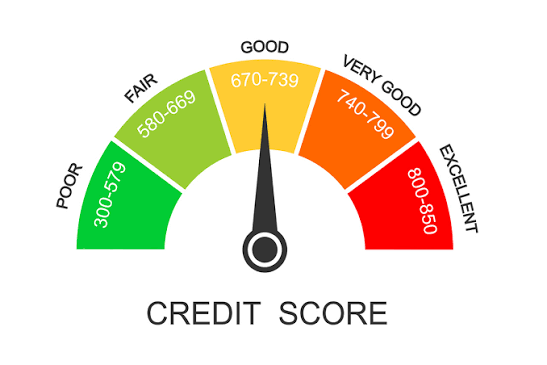
A credit score is a numerical representation of information in your credit history.
In India, credit information companies maintain credit reports that contain information about borrowing and repayment activity.
A strong credit history can help demonstrate responsible repayment behaviour.
Factors that can influence your credit profile include:
Paying EMIs on time
Credit card repayment behaviour
Existing debt
Credit utilisation
Number of recent credit applications
Length of credit history
Credit mix
For example, consistently missing loan or credit card payments can negatively affect your credit profile.
Before applying for a personal loan, it can be useful to review your credit report and check whether the information is accurate.
Secured vs Unsecured Loans
One important distinction is whether a loan is secured or unsecured.
Secured Loan
A secured loan is backed by an asset.
Examples include:
Home loans
Vehicle loans
Certain loans against investments or property
The lender has security over the underlying asset according to the loan agreement.
Unsecured Loan
An unsecured loan generally doesn't require you to pledge a specific asset as collateral.
Personal loans are typically unsecured.
Because the lender doesn't have collateral to rely on, the lender may place greater emphasis on factors such as credit history, income, and repayment capacity.
What Can You Use a Personal Loan For?
One of the main attractions of a personal loan is flexibility.
Depending on the lender's terms, borrowers may use personal loans for expenses such as:
Medical Expenses
A personal loan can potentially help cover unexpected medical expenses when savings aren't sufficient.
Home Renovation
Borrowers may use funds for repairs, renovation, furniture, or other home-related expenses.
Education
Some borrowers use personal loans to cover education-related costs. However, education-specific financing may offer different terms, so comparing alternatives can be useful.
Wedding Expenses
A personal loan may be used to manage large one-time expenses associated with a wedding.
Travel
Some borrowers use personal loans to finance travel, although borrowing for discretionary expenses should be considered carefully.
Debt Consolidation
A personal loan can sometimes be used to consolidate multiple debts into one repayment.
However, consolidation only makes financial sense in certain situations. You should compare the new loan's total cost with the debts you are replacing.
Advantages of Personal Loans
Personal loans can offer several benefits when used appropriately.
No Specific Collateral Requirement
Because personal loans are generally unsecured, borrowers may not need to pledge a house, car, or other asset.
Flexible Usage
Unlike certain loans that are designed for a specific purpose, personal loans can generally be used for various legitimate personal expenses, subject to the lender's terms.
Structured Repayment
The borrower receives a defined repayment schedule, making it easier to plan monthly expenses.
Faster Access to Funds
Depending on the lender and application, personal loans may be processed relatively quickly.
However, approval and disbursement times vary.
Personal Loan vs Credit Card
Both personal loans and credit cards allow consumers to access borrowed funds, but they work differently.
Feature
Personal Loan
Credit Card
Repayment
Usually fixed EMI
Flexible payment structure
Loan amount
Usually approved upfront
Revolving credit limit
Interest
Usually predetermined according to loan terms
Depends on card terms and outstanding balance
Tenure
Fixed
Revolving
Usage
Usually flexible
Purchases and eligible transactions
Collateral
Generally unsecured
Generally unsecured
Neither option is automatically suitable for every situation.
The appropriate choice depends on the amount required, repayment ability, interest and fees, and how quickly the debt can realistically be repaid.
How to Choose a Personal Loan
Before applying, compare multiple aspects of the loan rather than focusing only on the EMI.
1. Compare Interest Rates
Check the interest rate offered by different lenders. But remember that the advertised rate may not be the rate you personally receive.
2. Check the Total Repayment Amount
A low EMI doesn't necessarily mean a low-cost loan. A longer tenure can reduce your monthly payment while increasing total interest.
3. Understand All Fees
Check:
Processing fee
GST or applicable taxes on charges
Late payment charges
Prepayment charges
Foreclosure charges
Other applicable fees
4. Choose an Affordable Tenure
A shorter tenure usually means higher EMIs but potentially lower total interest. A longer tenure generally means lower EMIs but potentially higher total interest. Choose a repayment period that fits comfortably within your budget.
5. Read the Loan Agreement
Before accepting the loan, carefully review the agreement, repayment schedule, applicable charges, and terms.
Don't rely only on advertisements or verbal explanations.
How Much Personal Loan Should You Take?
The maximum amount a lender is willing to provide isn't necessarily the amount you should borrow.
Instead, consider your actual financial requirement and repayment capacity.
Ask yourself:
How much money do I actually need?
Can I comfortably pay the EMI every month?
Do I already have other loans?
Will my income remain stable during the repayment period?
How much interest will I pay overall?
Do I have an emergency fund?
For example, borrowing ₹5 lakh simply because you qualify for ₹5 lakh may not be necessary if your actual requirement is ₹2 lakh.
Borrow according to your need and repayment capacity, not simply according to your maximum eligibility.
How Does Loan Tenure Affect Your EMI?
Loan tenure has a major effect on repayment.
Suppose you borrow the same amount at the same interest rate.
Shorter Tenure
Higher monthly EMI
Lower total interest
Loan gets repaid faster
Longer Tenure
Lower monthly EMI
Higher total interest
Loan remains outstanding for longer
This creates a trade-off between monthly affordability and total borrowing cost.
A personal loan EMI calculator can help you compare different combinations of loan amount, interest rate, and tenure before applying.
What Happens If You Miss a Personal Loan EMI?
Missing an EMI can have multiple consequences.
Depending on the lender and loan terms, you may face:
Late payment charges
Additional interest or penalties
Negative reporting to credit bureaus
Difficulty obtaining credit in the future
If you think you may not be able to make a payment, contacting your lender as early as possible is generally better than simply ignoring the missed payment.
Can You Repay a Personal Loan Early?
Yes, many personal loans can be repaid before the scheduled maturity date, subject to the applicable loan terms and charges.
Early repayment can reduce the remaining interest you would otherwise pay, but you should compare the potential interest savings with any applicable foreclosure or prepayment charges.
Always check the lender's current terms before making a decision.
Personal Loan Example
Let's understand the process with a simple example.
Suppose Rahul needs ₹3,00,000 for a home renovation.
He applies for a personal loan and receives an offer with:
Loan amount: ₹3,00,000
Interest rate: 12% per year
Tenure: 3 years
His EMI would be approximately ₹9,964 per month.
Over 36 months, he would repay approximately ₹3.59 lakh, including around ₹58,700 in interest.
This example is only for illustration. Actual loan costs can vary depending on the lender, rate, fees, and repayment structure.
Documents Usually Required for a Personal Loan
The exact documentation varies by lender, but applicants may be asked to provide:
Identity Proof
Examples can include government-issued identification documents.
Address Proof
A valid address document may be required.
Income Proof
Depending on your employment status, this could include salary slips, bank statements, income-tax documents, or business-related financial records.
Employment or Business Details
Lenders may ask for information about your employer or business.
Bank Account Details
These may be required for verification and loan disbursement.
Digital lenders may have a largely online documentation process.
Tips Before Applying for a Personal Loan
Here are some practical steps to consider:
1. Check your credit report.
Make sure your personal and financial information is accurate.
2. Calculate your EMI beforehand.
Know what your monthly obligation will be before applying.
3. Compare lenders.
Look at interest rates, fees, tenure, and repayment conditions.
4. Borrow only what you need.
Avoid taking a larger loan simply because you're eligible for it.
5. Read the terms carefully.
Understand all fees and conditions before accepting the loan.
6. Keep an emergency buffer.
Don't use your entire available cash flow for loan repayment.
7. Pay EMIs on time.
Consistent repayment helps avoid penalties and protects your credit history.
Frequently Asked Questions About Personal Loans
Is a personal loan secured or unsecured?
Personal loans are generally unsecured, meaning they usually don't require specific collateral. However, the exact terms depend on the lender and loan product.
How much personal loan can I get?
The amount depends on factors such as income, credit history, existing obligations, employment profile, lender policies, and repayment capacity.
Does a personal loan affect my credit score?
Applying for credit can result in a credit inquiry, while your subsequent repayment behaviour can affect your credit history. Timely repayment can support a healthy credit profile, whereas missed payments can negatively affect it.
Can I use a personal loan for any purpose?
Personal loans generally offer flexible usage, but lenders can have restrictions. Always check the specific terms of your loan.
Is a personal loan better than a credit card?
They are different financial products. A personal loan generally provides a fixed amount with a structured repayment schedule, while a credit card provides revolving credit. The costs and suitability depend on your individual circumstances.
Can I repay my personal loan early?
In many cases, yes, but applicable prepayment or foreclosure terms and charges may apply. Check your loan agreement before making an early repayment.
What happens if I don't pay my personal loan?
Failure to repay can result in additional charges and may negatively affect your credit history. Continued non-payment can also lead to further collection or legal consequences according to the loan agreement and applicable law.
Final Thoughts
A personal loan can provide access to funds when you have a genuine financial need, but it should be treated as a financial commitment rather than easy money.
Before taking a personal loan, understand how much you're borrowing, the interest rate, EMI, total repayment amount, fees, loan tenure, and consequences of missed payments.
The most important question isn't simply "How much loan can I get?"
It's:
"How much can I comfortably repay without putting unnecessary pressure on my finances?"
Understanding the complete cost of borrowing and comparing available options can help you make a more informed financial decision.
Disclaimer: This article is intended for general educational and informational purposes only. Personal loan eligibility, interest rates, fees, repayment terms, and other conditions vary by lender and can change over time. Always review the lender's current terms and applicable documentation before applying for or accepting a loan.
Disclaimer: This article is intended for general educational and informational purposes only. Personal loan eligibility, interest rates, fees, repayment terms, and other conditions vary by lender and can change over time. Always review the lender's current terms and applicable documentation before applying for or accepting a loan.