What Is a Credit Score? A Complete Beginner’s Guide
Learn what a credit score is, how it is calculated, why it matters, what counts as a good score in India, and practical ways to improve your credit profile.
M
Money Mittra Editorial
Senior Financial Analyst
Editorial Fact-CheckedVerified
If you have ever applied for a credit card, personal loan, car loan, or home loan, you may have heard the term credit score. But what exactly is a credit score? Why does it matter? What is considered a good credit score in India? And how can you improve your score if it is low? Your credit score is one of the important factors lenders may consider when evaluating your credit application. A healthy credit history can make it easier to access credit, while a poor or limited credit history may make borrowing more difficult or expensive. In this guide, we will explain everything you need to know about credit scores in simple terms.
What Is a Credit Score?
A credit score is a numerical representation of your credit history and creditworthiness. It is calculated using information from your credit report, such as your repayment history, outstanding debts, credit accounts, and applications for credit. In India, credit scores are generally represented on a scale from 300 to 900, depending on the credit bureau. A higher score generally indicates a stronger credit history, while a lower score can indicate a history of missed payments, high credit utilization, defaults, or limited credit experience. However, your credit score is not the only factor lenders consider. Different lenders have their own eligibility criteria and may also consider your income, employment, existing liabilities, loan amount, and other information.
What Is a Good Credit Score?
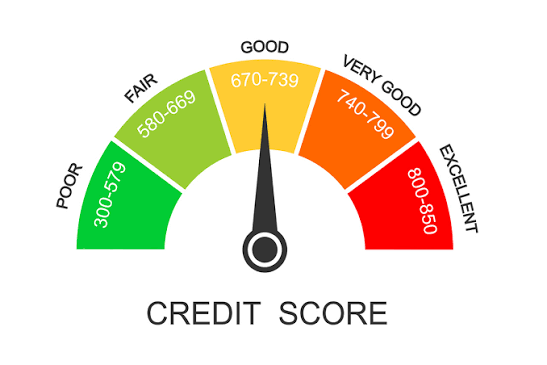
There is no single score that guarantees loan or credit-card approval. However, credit scores closer to the higher end of the scoring range are generally viewed more favorably by lenders.
Learn what a personal loan is, how it works, how EMIs and interest are calculated, eligibility requirements, fees, benefits, risks, and tips for choosing the right loan.
These ranges are general guidelines rather than universal categories. Each credit bureau and lender may use its own scoring models and eligibility criteria. A score of 750 or above is commonly considered a strong score in India, but having a score above 750 does not guarantee approval for every credit product.
Why Is Your Credit Score Important?
Your credit score can influence how lenders evaluate your application.
1. Loan Approval
When you apply for a personal loan, home loan, vehicle loan, or another credit product, lenders may review your credit history. A stronger credit profile can improve your chances of meeting a lender's credit criteria.
2. Credit Card Applications
Credit card issuers may consider your credit history when deciding whether you qualify for a particular card. Your score can be especially relevant when applying for cards with higher credit limits or premium benefits.
3. Interest Rates
Your credit profile may influence the interest rate offered by a lender. Applicants with stronger credit profiles may sometimes receive more favorable terms, although rates also depend on factors such as income, loan type, lender policies, market conditions, and the borrower's overall profile.
4. Credit Limit
Your credit history can also be one of the factors considered when determining your credit limit. However, lenders may also look at your income, existing obligations, repayment capacity, and internal policies.
5. Financial Opportunities
Maintaining a healthy credit history can give you access to a wider range of borrowing options when you actually need them.
How Is a Credit Score Calculated?
Credit bureaus use information in your credit report to calculate your score. Although the exact scoring formulas are proprietary, several factors commonly influence your credit profile.
1. Payment History
Your repayment history is one of the most important parts of your credit profile. Missing loan or credit-card payments can negatively affect your credit history. For example, if you consistently pay your credit-card bill or loan EMI on time, you demonstrate a history of responsible repayment. Tip: Always try to pay your dues on or before the due date.
2. Credit Utilization
Credit utilization refers to how much of your available revolving credit you are using. For example, suppose your credit-card limit is ₹1,00,000 and your outstanding balance is ₹30,000. Your utilization would be:
₹30,000 ÷ ₹1,00,000 × 100 = 30%
Consistently using a very large portion of your available credit may be viewed negatively by some scoring models. Keeping balances manageable and paying bills on time can help maintain a healthier credit profile.
3. Length of Credit History
The length of time you have been using credit can also matter. Someone who has responsibly maintained credit accounts for several years may have a more established credit history than someone who has only recently started using credit. This is one reason why closing an old credit account without considering its impact may not always be ideal.
4. Types of Credit
Having experience with different types of credit can contribute to your overall credit profile. Credit can broadly include:
Credit cards
Personal loans
Home loans
Vehicle loans
Education loans
Other forms of borrowing
However, you should never take a loan simply to increase your credit score. Borrow only when you actually need credit and can comfortably repay it.
5. New Credit Applications
Applying for multiple credit products within a short period can result in multiple hard inquiries on your credit report. A large number of recent applications may be interpreted as a sign that you are actively seeking credit. Instead of applying for many products simultaneously, compare eligibility requirements and apply selectively.
What Is a Credit Report?
A credit report contains information about your borrowing and repayment history. It may include information such as:
Personal identification information
Credit accounts
Loan and credit-card balances
Payment history
Credit limits
Account status
Credit inquiries
Defaults or other reported negative information
Your credit score is calculated using information from your credit report. Think of it this way:
Credit Report → Credit History → Credit Score
Your report contains the underlying information, while your score is a numerical summary generated from that information.
Who Maintains Credit Scores in India?
India has multiple credit information companies, commonly known as credit bureaus. Some of the major bureaus include:
TransUnion CIBIL
Experian
Equifax
CRIF High Mark
Each bureau may have its own scoring methodology and may provide scores based on the information available in its database. This means your score may not be exactly the same across every bureau.
How Can You Check Your Credit Score?
You can obtain your credit report and credit score through credit bureaus and other authorized financial services. In India, consumers are entitled to access their credit report from credit information companies under applicable RBI rules. When checking your score, make sure you are using a legitimate and secure service. You should also review your credit report regularly for errors. For example, you may find:
A loan that you never took
Incorrect payment information
An account that should have been closed
Incorrect personal information
Duplicate accounts
If you identify an error, you can raise a dispute with the relevant credit bureau or lender.
How to Improve Your Credit Score
If your credit score is lower than you would like, improving it usually takes time. Here are some practical steps.
1. Pay Your EMIs and Credit-Card Bills on Time
Late payments can negatively affect your credit history. Set reminders or enable automatic payments so that you do not accidentally miss due dates.
2. Keep Credit-Card Balances Under Control
Try not to consistently use most of your available credit limit. For example, if your credit limit is ₹1,00,000, regularly maintaining a very high outstanding balance may increase your credit utilization. Paying your balance regularly can help keep utilization under control.
3. Avoid Unnecessary Loan Applications
Before applying for a loan or credit card, check the basic eligibility criteria. Applying for multiple products without comparing them first can result in several credit inquiries.
4. Don't Close Old Accounts Without Considering the Impact
Older credit accounts can contribute to the length of your credit history. Before closing an old credit card, consider how doing so could affect your available credit and overall credit history.
5. Maintain a Healthy Credit Mix
Having responsibly managed different types of credit may contribute positively to your overall credit profile. However, there is no need to borrow money unnecessarily just to create a particular credit mix.
6. Check Your Credit Report for Errors
Sometimes information reported to a credit bureau may be inaccurate. Regularly reviewing your credit report can help you identify potential errors early.
Does Checking Your Own Credit Score Lower It?
Generally, checking your own credit score does not negatively affect your credit score when it is treated as a soft inquiry. The important distinction is between:
Soft Inquiry:
Checking your own credit report or score.
Hard Inquiry:
A lender checking your credit report as part of a credit application. Hard inquiries may be recorded on your credit report and multiple applications within a short period can affect how your credit profile is viewed.
Does Having No Credit History Mean You Have a Bad Credit Score?
Not necessarily. If you have never borrowed money or used a credit card, you may have a limited or insufficient credit history rather than a poor credit history. For example, a young person who has never used a loan or credit card may not have enough information for a conventional credit score to be generated. This is different from having a history of missed payments or defaults.
Can You Get a Loan With a Low Credit Score?
Possibly, but approval depends on the lender and your overall financial profile. Some lenders may consider applications from people with lower scores, while others may have minimum credit-score requirements. The lender may also consider:
Monthly income
Employment history
Existing loans
Debt obligations
Repayment capacity
Loan amount
Employment type
Banking history
Other eligibility criteria
A lower credit score may also affect the terms offered by some lenders.
How Long Does It Take to Improve a Credit Score?
There is no fixed timeline. It depends on why your score is low and how your credit profile changes over time. For example, if your score was affected by missed payments, consistently making payments on time can help your credit profile recover gradually. Similarly, reducing high outstanding balances can change your credit utilization. The key is consistent financial behavior over time rather than looking for a quick fix.
Common Credit Score Myths
Myth 1: Checking Your Credit Score Always Lowers It
Fact: Checking your own credit score is generally treated as a soft inquiry and does not normally reduce your score.
Myth 2: A 750 Score Guarantees a Loan
Fact: A good credit score does not guarantee approval. Lenders consider multiple factors.
Myth 3: Closing a Credit Card Always Improves Your Score
Fact: Closing a credit card can affect factors such as available credit and credit history, so its impact depends on your overall profile.
Myth 4: You Need a Loan to Build Credit
Fact: You do not need to borrow unnecessarily. Responsible use of suitable credit products can help establish a credit history.
Myth 5: Paying Only the Minimum Due Is the Same as Paying the Full Bill
Fact: Paying the minimum amount can prevent certain immediate consequences, but interest may continue to accrue on the remaining balance depending on the card's terms. Paying the full statement balance by the due date can generally help you avoid interest on purchases when the card's terms provide an interest-free period.
Credit Score vs Credit Report
These two terms are often confused.
Credit Score
Credit Report
Numerical representation
Detailed credit history
Usually represented on a 300–900 scale in India
Contains account and repayment information
Summarizes credit risk information
Contains the underlying data
Can change as credit information changes
Records your credit accounts and payment history
Simply put:
Your credit report contains the information. Your credit score summarizes that information.
What Credit Score Do You Need for a Credit Card?
There is no universal minimum credit score for every credit card. Different banks and card issuers have different eligibility requirements. Some cards may be available to people who are new to credit, while others may require a stronger credit profile. Other factors may include:
Age
Income
Employment
Location
Existing relationship with the bank
Credit history
Existing debt
Therefore, instead of focusing only on a single score threshold, check the eligibility criteria of the specific credit card you are considering.
What Credit Score Do You Need for a Personal Loan?
Similarly, there is no single credit score that guarantees personal-loan approval. Lenders may use their own internal credit policies and consider your complete financial profile. A strong credit history can be helpful, but factors such as income, employment, existing EMIs, loan amount, and repayment capacity can also influence the decision. Before applying, compare the lender's eligibility requirements and the total cost of borrowing rather than looking only at the advertised interest rate.
Final Thoughts
Your credit score is an important part of your financial profile, especially if you plan to borrow money in the future. The most effective way to maintain a healthy credit profile is not through shortcuts. Instead, focus on consistent habits:
Pay EMIs and credit-card bills on time.
Keep your credit utilization under control.
Avoid unnecessary credit applications.
Review your credit report regularly.
Dispute inaccurate information.
Borrow only what you can comfortably repay.
Remember that your credit score is only one part of a lender's decision. Before taking a loan or credit card, compare the interest rate, fees, repayment terms, eligibility requirements, and total cost. A good credit profile is built gradually through responsible financial behavior.
Frequently Asked Questions
Is 750 a good credit score?
A score of 750 or above is commonly viewed as a strong credit score in India, but there is no universal cutoff that guarantees approval. Lenders use their own eligibility criteria.
Can I improve my credit score quickly?
There is no guaranteed instant method. Consistently paying bills on time, managing outstanding balances, and avoiding unnecessary credit applications can help improve your credit profile over time.
Does a personal loan reduce credit score?
Applying for a loan can result in a hard inquiry, which may have a temporary effect. Taking a loan and making payments on time can also contribute to your credit history.
Does paying a credit-card bill on time improve credit score?
Consistent on-time payments can contribute positively to your credit history and help maintain a healthy credit profile.
How often should I check my credit report?
There is no universal requirement, but periodically reviewing your credit report can help you identify inaccurate information or unfamiliar accounts.
Can I get a credit card without a credit score?
Some issuers offer credit cards designed for people who are new to credit, subject to their eligibility criteria. Secured credit cards backed by a fixed deposit are another option offered by some institutions.
Does closing a credit card affect credit score?
It can, depending on your overall credit profile. Closing a card can reduce your total available credit and may affect your credit utilization or credit history.
Is credit score the same as CIBIL score?
Not exactly. CIBIL score specifically refers to the score provided by TransUnion CIBIL. "Credit score" is a broader term that can refer to scores provided by different credit bureaus.
Disclaimer: This article is for educational purposes only and should not be considered financial advice. Credit-score calculations, lender eligibility criteria, interest rates, and credit policies can vary. Always verify the latest terms directly with the relevant credit bureau, bank, NBFC, or financial institution before making financial decisions.