What Is a Credit Card? A Complete Beginner's Guide
Learn what a credit card is, how it works, its benefits, fees, interest rates, and how to use one responsibly with this complete beginner's guide.
T
The Reward Club Editorial
Senior Financial Analyst
Editorial Fact-CheckedVerified
The credit card is a payment card that lets you borrow money from the bank or financial institutions to spend on making payments, paying bills, booking flights or withdrawing cash. In contrast to a debit card where you will need to directly deduct money from your bank account, here you use the approved credit line and repay it later. For a beginner, credit cards can prove to be a good financial tool provided that you know how to use it properly. Otherwise, it can be quite costly because of the high rates, late-payment penalties, and overspending. This guide will help you to learn more about the definition of a credit card, its mechanism, terminology, advantages, costs, credit score, and proper use of this payment tool.
What Is a Credit Card?
Once you get the credit card, the bank assigns you an amount called the credit limit. You can use the credit limit for all transactions eligible under the scheme. For instance, consider the case where your credit limit on your credit card is ₹50,000. You spend:
₹5,000 on shopping
₹3,000 on groceries
₹2,000 on dining
Your total expenses are ₹10,000, and your remaining credit amount is around ₹40,000. You receive a statement at the end of the month.
Credit Card vs Debit Card
The biggest difference is where the money comes from.
Learn what a credit score is, how it is calculated, why it matters, what counts as a good score in India, and practical ways to improve your credit profile.
Generally doesn't work the same way for building credit history
May offer rewards and benefits
May offer bank-specific benefits
Interest can apply if balances aren't paid as required
No borrowing interest on normal purchases
How Does a Credit Card Work?
The basic process is relatively simple.
You receive a credit limit
When you apply for a credit card, the issuer evaluates factors such as your income, existing credit history, and other eligibility criteria.
You use the card
You can use your card at merchants, online stores, apps, and other places that accept the card network. Every eligible transaction is added to your account.
Your billing cycle ends
Credit cards generally operate around a billing cycle. For example, transactions made during one billing period may appear together on your monthly statement.
You receive a statement
Your statement can include:
Total amount due
Minimum amount due
Payment due date
Individual transactions
Interest or fees, if applicable
Available credit
You make a payment
You can pay the amount shown on your statement according to the payment options provided by your issuer. Paying the full amount due on time is generally the simplest way to avoid carrying a purchase balance that can attract interest, subject to the card's terms.
What Is a Credit Limit?
The credit limit is the highest amount of money that you can usually borrow from your credit card at any one particular point in time. For instance, if your credit limit is ₹1,00,000, then you would not be able to buy something that will cause your credit balance to exceed your credit limit. The credit limit is not the total sum that you should spend each month. It is only the credit limit that is extended to you.
What Is a Billing Cycle?
The billing cycle is the duration for which your credit card transactions will be posted on a particular statement. For instance: Billing cycle: From the 1st to the 30th of the month Statement issuance: 30th Payment due date: A later date to be specified by the issuer These dates differ from one card to another. It is important for you to understand the billing cycle of your credit card.
What Is a Credit Card Statement?
A credit card statement is a record of your account activities during a billing cycle.
The document can include:
Previous balance
New purchases
Refunds
Payments
Fees
Interest charges
Total amount due
Minimum amount due
Payment due date
Credit card statements need to be checked on a regular basis.
What Is the Minimum Amount Due?
The minimum amount due is the lowest amount mentioned by the credit card issuer that must be paid before the due date in order to ensure that the account doesn’t become past due under the terms of the credit card. But this doesn’t always mean that by paying the minimum amount, you will be avoiding the interest. Interest may be applied based on the card terms in case of carrying any balance.
Example
Let us assume that your statement displays:
Total amount due: ₹20,000
Minimum amount due: ₹1,000
Pay the ₹1,000 which may fulfill the minimum amount due criteria, but the balance will go on earning the applicable finance charges. This is the reason why beginners should differentiate between the total amount due and the minimum amount due.
What Is a Credit Card Interest Rate?
Credit card issuers can charge interest when you carry certain unpaid balances. Credit card interest is often expressed as an annual percentage rate or another applicable rate, while the actual calculation and billing can depend on the card's terms. This is one reason credit cards should not be treated as free money. For everyday purchases, a useful habit is:
Spend only what you can comfortably repay.
If you regularly carry balances, interest can significantly increase the cost of your purchases.
What Is a Grace Period?
A number of credit cards offer a grace period for eligible transactions provided that certain payment requirements are met. This period is commonly referred to as a grace period. So, for example, if you make some purchase within a particular billing period, there will be some weeks before the payment becomes due.
However, the grace period regulations differ for different credit cards and for different transactions.
Therefore, make sure to find out about the regulations concerning your specific card.
What Are Credit Card Rewards?
Many credit cards offer rewards for eligible spending. Depending on the card, rewards may include:
Reward points
Cashback
Airline miles
Shopping discounts
Dining offers
Travel benefits
Partner discounts
For example, a card might offer reward points on eligible purchases and allow you to redeem those points for specific products, vouchers, travel benefits, or statement credits. However, rewards should be considered an additional benefit, not a reason to spend money you wouldn't otherwise spend. Spending ₹10,000 unnecessarily to earn rewards is not a good financial trade-off.
What Are Credit Card Fees and Charges?
Credit cards can come with several types of fees.
Common examples include:
Annual Fee
Some cards charge a yearly membership or annual fee. Other cards may have no annual fee or may waive the fee if you meet certain spending conditions.
Late Payment Fee
A fee may apply if you don't make the required payment by the due date.
Finance Charges
Interest or finance charges may apply when you carry certain unpaid balances.
Cash Advance Fee
Using a credit card to withdraw cash can involve additional fees and interest treatment.
Foreign Transaction Charges
Some cards charge additional fees when transactions are processed in foreign currencies or outside the issuer's domestic market.
The exact fees vary significantly between cards, so always check the card's fee schedule before applying.
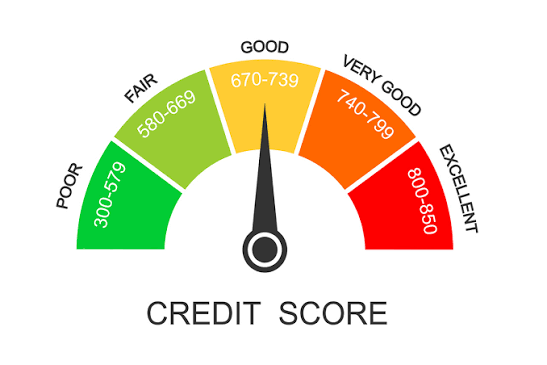
What Is a Credit Score?
A credit score is a numerical representation used by credit bureaus and lenders as part of assessing an individual's creditworthiness.
In India, credit information companies maintain credit reports and provide credit scores based on available credit information. Your credit behaviour can influence your credit profile.
Factors can include:
Repayment history
Outstanding debt
Credit utilisation
Length of credit history
Number and type of credit accounts
Recent credit applications
Different lenders may use different criteria when evaluating applications.
Does Using a Credit Card Build Credit History?
Responsible credit card usage can contribute to your credit history because your repayment and account activity may be reported to credit bureaus.
For example, consistently making payments on time and managing your outstanding balances responsibly can help establish a positive credit history over time.
However, simply having a credit card doesn't automatically guarantee a better credit score.
Your overall credit behaviour matters.
What Are the Benefits of Using a Credit Card?
When used responsibly, credit cards can provide several benefits.
Convenience
You don't need to carry large amounts of cash for everyday purchases.
Rewards
Depending on the card, you may earn cashback, points, miles, or other benefits.
Building Credit History
Responsible repayment can contribute to your credit history.
Purchase Protection
Some cards may provide specific protections or benefits for eligible purchases, depending on their terms.
Emergency Flexibility
A credit card can provide short-term access to credit for unexpected expenses, although relying on credit for recurring financial difficulties can become expensive.
Offers and Discounts
Card issuers frequently provide merchant-specific offers, discounts, or promotional benefits.
How to Choose Your First Credit Card
There isn't one credit card that is right for every person.
Instead, compare cards based on your actual spending patterns and financial needs.
Consider: Annual fee: Is the fee justified by the benefits? Rewards: Do the rewards match where you normally spend? Interest rate: What happens if you carry a balance? Fees: Are there additional charges for transactions you expect to make? Acceptance: Is the card widely accepted where you shop? Benefits: Does it offer useful travel, shopping, dining, or other benefits? Eligibility: Do you meet the issuer's requirements?
The most valuable card isn't necessarily the one with the most rewards. It is one whose costs and benefits make sense for your spending habits.
Frequently Asked Questions
Is a credit card free?
Not necessarily. Some credit cards have no annual fee, while others charge annual or other fees. Always check the card's fee schedule.
Can I withdraw cash using a credit card?
Many credit cards allow cash withdrawals, but cash advances can have separate fees and interest rules. Check your card's terms before using this feature.
Is a credit card the same as a debit card?
No. A debit card generally uses money available in your bank account, while a credit card uses a credit facility provided by the issuer.
Does having multiple credit cards improve my credit score?
Not automatically. Having multiple cards can increase available credit, but applying for and managing multiple accounts also has consequences. Responsible repayment and overall credit management are more important than simply having more cards.
Should beginners get a credit card?
A credit card can be useful for someone who understands the repayment terms and can manage spending responsibly. Before applying, make sure you understand the fees, interest, and payment requirements.
Final Thoughts
A credit card is a financial tool, not free money. It can provide convenience, rewards, and access to short-term credit, while responsible use can contribute to building a credit history.
The key is to understand your credit limit, billing cycle, statement, payment due date, interest charges, fees, and rewards before you start using the card.
For beginners, one simple rule can go a long way: Spend responsibly, track your purchases, and make your payments on time. Once you understand how credit cards work, you'll be in a much better position to compare different cards and choose one that fits your financial needs.
Learn what a personal loan is, how it works, how EMIs and interest are calculated, eligibility requirements, fees, benefits, risks, and tips for choosing the right loan.